I Was Excited to Meet My Daughter’s Fiancé—Then One Look at Him Exposed a Prejudice I Didn’t Want to Admit
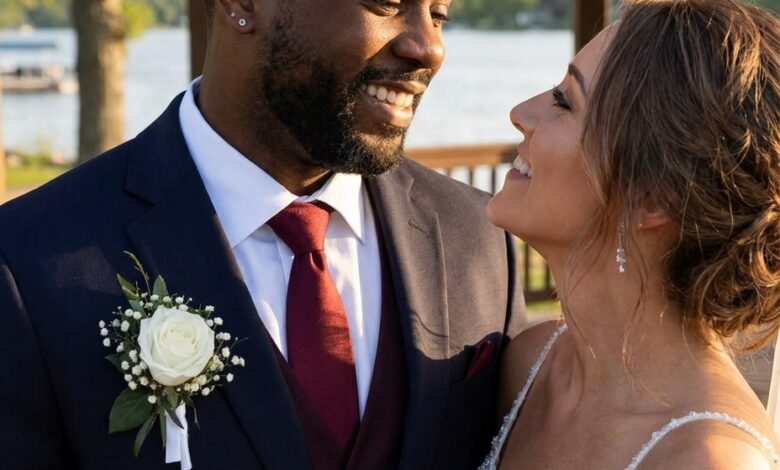
For several days, Kira would not answer my calls. Bradley, who had initially shared my reaction, decided he would attend the rehearsal dinner because whatever discomfort he had felt was not worth losing his only daughter. Watching him dress and leave without me forced me to confront the cost of holding onto a belief I could no longer defend. I eventually drove to the restaurant but could not bring myself to enter. Outside, I found Betty doing exactly the same thing. She admitted she was trying to find an opportunity to apologize because she did not want to lose Marcus or be excluded from the family he and Kira might someday create. Within minutes we were already arguing again over whether their imaginary first child would be a boy or a girl, and the absurdity finally broke through something in both of us. We had spent months predicting disaster based on race and “culture,” yet the real damage had come from the two mothers who believed love required our approval.
Standing outside that restaurant, I watched Kira laugh beside Marcus and saw something I had refused to notice the first night he came to our door: she looked completely at ease with him. Whatever challenges their marriage might eventually face would belong to them, just as every marriage carries difficulties parents cannot prevent. My job was not to select a husband who looked familiar enough to make me comfortable. It was to decide whether my assumptions mattered more than remaining part of my daughter’s life. Betty and I still disagreed about plenty, and I suspected we always would. But once we stopped treating difference as danger, those disagreements became ordinary family friction instead of reasons to divide two people who loved each other. I had opened my front door expecting to evaluate whether Marcus was good enough for my daughter. By the time the wedding arrived, I understood that the person who had needed the closer examination was me.