My Neighbor Called My Kids Thieves Over Fallen Apples—Then My Husband Let the Yard Prove Who Was Wrong
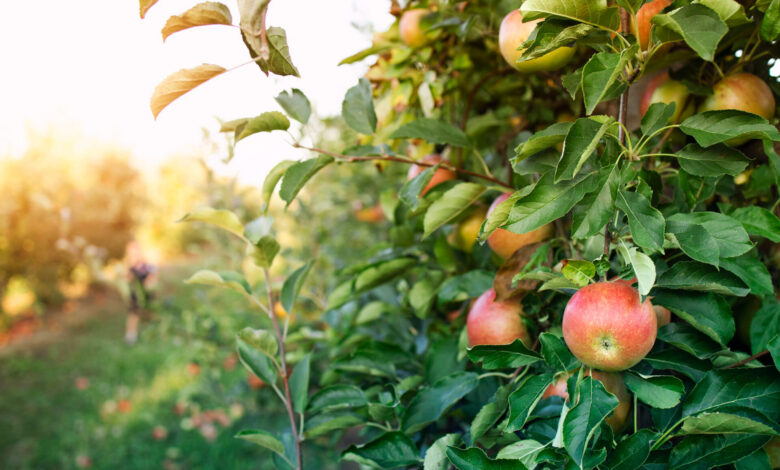
Dale apologized to Maya and Leo two days later. He told them plainly that they had not stolen anything, that he had been wrong, and that he would never again demand fruit from them. Rob also made the boundary clear: if Dale wanted apples that landed in our yard, he could ask us politely, and we could choose whether to give them to him. If the disrespect continued, we were prepared to hire a licensed arborist and trim the overhanging branches to the property line. We never had to. The following autumn, Dale began tapping lightly on the fence post before asking whether he could collect some fruit, and Leo often volunteered to fill a bucket for him. Dale thanked him by name every time. Soon jars of applesauce and warm pies began appearing at our gate in return, and over dinner one evening Dale finally explained why the tree had mattered so much: his late wife Margaret had planted it with him twenty-two years earlier, and every wasted apple had felt, irrationally but genuinely, like losing another piece of her.
The tree still stands over our fence today. The apples still fall, and the children sometimes give Dale a bucket because they want to, not because anyone orders them to. Maya still saves the first three apples of every season in a bowl on her windowsill. When I once asked why, she looked at me as though the answer were obvious. “Because they’re mine,” she said. “And I like getting to decide.” That was the lesson Rob had understood before I did. The point was never winning an argument over fruit or humiliating a difficult neighbor in return. It was restoring a boundary so clearly that our children would understand the difference between kindness and submission, between sharing something freely and having someone larger decide they were entitled to take it.