My Neighbor Called My Kids Thieves Over Fallen Apples—Then My Husband Let the Yard Prove Who Was Wrong
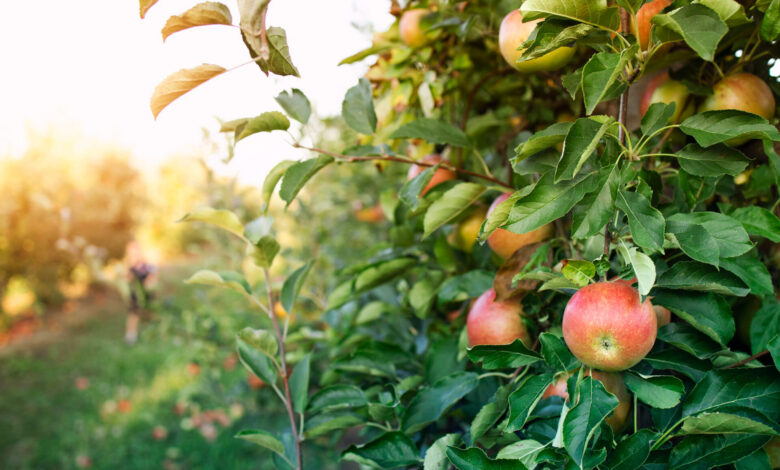
Dale stood on the other side of our fence and made my six-year-old daughter carry fallen apples to him one armful at a time. The tree was his, but nearly a third of its branches hung over our yard, dropping fruit into the flower beds, beneath the swing set, and across the grass every late summer. Maya could manage only three apples at once, so she made four trips while her seven-year-old brother Leo silently helped. I watched from the deck as Dale collected every apple into a bag, then looked directly at me and said, “Nice. Raising thieves young, are we?” Maya burst into tears. Leo simply stared at the ground, his ears turning red. I took two photographs, sent them to my husband Rob, and forty seconds later he called with one strange instruction: “Do not rake a single apple this year.”
Rob came home early and first made sure the children understood they had done nothing wrong. Then, after they were asleep, he explained his plan. Rather than shouting across the fence and beginning a feud that could last for years, he wanted documentation: dated photographs showing exactly how much fruit Dale’s tree deposited onto our property during an entire season. He also contacted residential-property attorney Priscilla Odom, who confirmed the applicable rule in our jurisdiction: fruit that naturally falls onto adjoining property belongs to the owner of the land where it lands, and the tree owner has no automatic right to enter that property or order someone else to retrieve it. She also explained that we could generally trim branches extending over our boundary back to the property line, provided the work did not unlawfully damage or kill the tree. For six years, we had quietly cleaned up hundreds of apples because it seemed easier than making an issue of it. Dale’s decision to humiliate two children changed the nature of the problem.
For the next month, we left every apple exactly where it fell. Rob photographed the yard every few days as the fruit accumulated beneath the swing set and along the fence, until entire patches of grass disappeared beneath softening apples and the sweet smell of fermentation drifted through the yard. Then Priscilla sent Dale a formal letter. It contained no dramatic threats, only the legal position, a careful description of the incident, and a clear instruction that he was not to direct our children regarding our property again. Five days later, Dale rang our doorbell for the first time in six years. He came holding the creased letter and initially defended himself by explaining how much work he put into pruning and maintaining the tree. Rob listened, then told him the real issue was not whether he valued his apples—it was that he had used his authority as an adult to make a six-year-old surrender something from her own yard and then branded her a thief for obeying him. For the first time, Dale seemed to see the incident from the children’s side.