My Grandson Wore Two Different Shoes to Dinner — Then He Told Me Why They Had to Be Fast
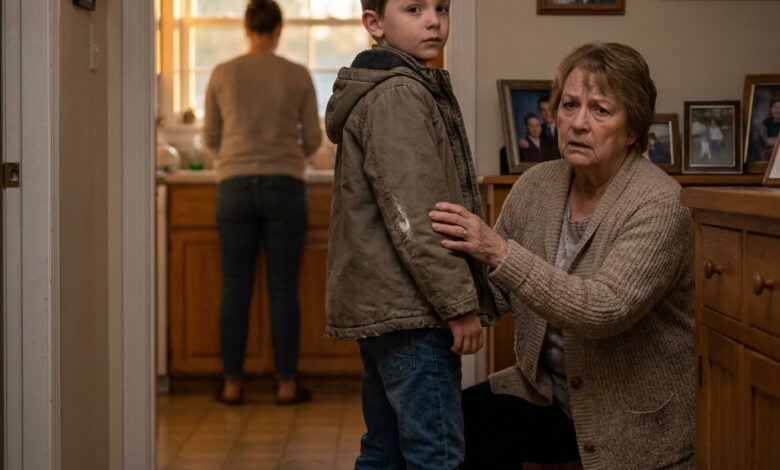
The next morning, Maren met with a domestic-violence advocate at a community resource center, where she learned how safety planning works when a child is involved and why leaving can be the most dangerous time in a controlling relationship. With her consent, an attorney helped her seek a protective order and temporary custody arrangements. The legal process did not depend on one dinner conversation; it depended on documented messages, photographs, school records showing Eli’s sudden absences, a neighbor’s statement, and a medical report from an earlier incident Maren had been too frightened to discuss. The advocate also helped her separate her financial access from Colin’s, review insurance coverage, protect her credit file, and make a plan for the apartment lease and household property. None of it was dramatic in the way television makes safety dramatic. It was paperwork, phone calls, careful timing, and people who knew how to make room for a frightened woman without demanding she prove her fear perfectly.
Maren and Eli stayed with me for six weeks. The first few nights, Eli placed both shoes beside the bed with the toes facing the door. I did not move them. One morning, after he had started sleeping through the night again, he came downstairs wearing mismatched socks and announced that he could not find the other blue one. Then he laughed. It was such an ordinary little complaint that I had to turn toward the sink for a moment. Maren found a small apartment near Eli’s school, with windows that locked, neighbors who knew her name, and no one who demanded an explanation for every light she left on. At our next Sunday dinner, Eli wore matching sneakers with bright green laces. He ran through my kitchen, stopped at the table, and told me they were not fast shoes anymore. They were soccer shoes. I told him that sounded exactly right. Children should wear shoes for where they are going, not for what they are trying to escape.