A Cowboy Paid $5,000 for My Late Husband’s Horse — Ten Years Later, I Finally Understood Why
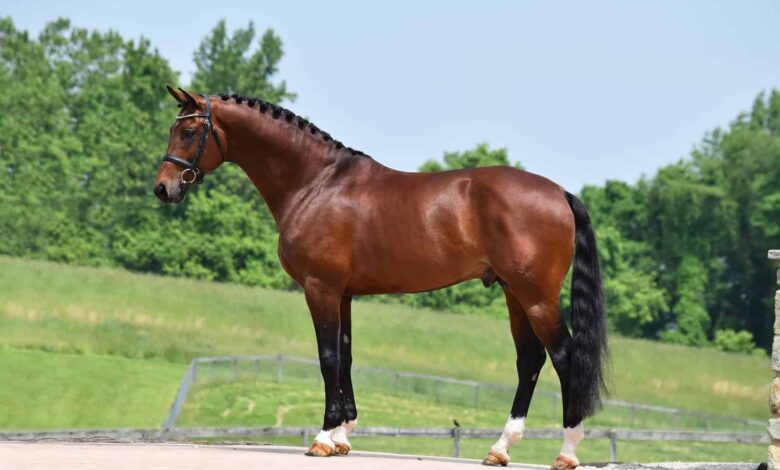
“Five thousand dollars!” the cowboy shouted, and for a moment the entire livestock arena seemed to stop breathing. Dust hung beneath the fluorescent lights, the sharp smell of hay and animals mixing with the metallic chill of the bleachers beneath me. Beside the rail, my ten-year-old son Leo was crying without making a sound, one hand twisted into the sleeve of my coat as our chestnut quarter horse, Duke, stood beneath the auction lights. Only seconds earlier, a buyer had offered two hundred dollars, and I had recognized him as one of the men who routinely purchased aging horses for almost nothing. My stomach had turned as the auctioneer searched the room for another bid. Then the rear doors crashed open, a dozen mud-booted ranch hands entered, and the oldest among them raised the price to an impossible five thousand dollars. When the gavel finally came down, relief struck me almost as hard as grief, because the money could save our farm—but I believed I had just lost the final living piece of my husband.
Mark had died six months earlier, leaving behind more than sorrow. There were hospital balances, overdue operating expenses, a farm loan slipping toward default, and a lender that had given me until Friday to produce five thousand dollars before foreclosure proceedings began. I had already sold the truck, the tractor, equipment we had spent years collecting, and even my wedding ring. Duke was all that remained. He was twenty years old, too old to bring much at an ordinary livestock sale, but his value to our family had never belonged on a balance sheet. After Mark returned from military service carrying wounds nobody could see, it was Duke who calmed him when nights became too long and memories too loud. After Mark died, Leo found the same comfort in that horse, spending hours in the pasture with his arms around Duke’s neck as though the animal could somehow keep his father close. Selling him was the kind of decision creditors might call financially responsible and a grieving child might remember as betrayal.
In the holding pen after the sale, Leo wrapped both arms around Duke’s legs and refused to move. I approached the buyer—a weathered man with a scar down one cheek—and thanked him through tears, promising that Duke was gentle and begging him to take care of him. Instead, the stranger removed his hat, unclipped the lead rope, and placed it directly into Leo’s trembling hands. “We didn’t buy your horse,” he told me. “We bought back your family’s dignity.” His name was Vance, and twenty-two years earlier he had stood in that same auction building trying to sell his own horse after his wife became seriously ill and medical bills swallowed their savings. A stranger had paid what Vance needed and then handed the reins back, telling him that family should not be sacrificed merely because hardship had assigned it a price. Vance and his ranch crew had pooled their paychecks to do the same for us, and in the months that followed, the kindness widened: groceries appeared, neighbors helped, and I found steady bookkeeping work at the local agricultural cooperative. Duke came home, the foreclosure threat disappeared, Leo eventually left for veterinary school, and I spent the next decade believing I understood what that extraordinary afternoon had meant—until another frightened mother placed a dog’s leash in my hand.