Dolly Parton Rarely Showed Her Tattoos—Then Two Old Photos Revealed the Detail Fans Had Wondered About for Years
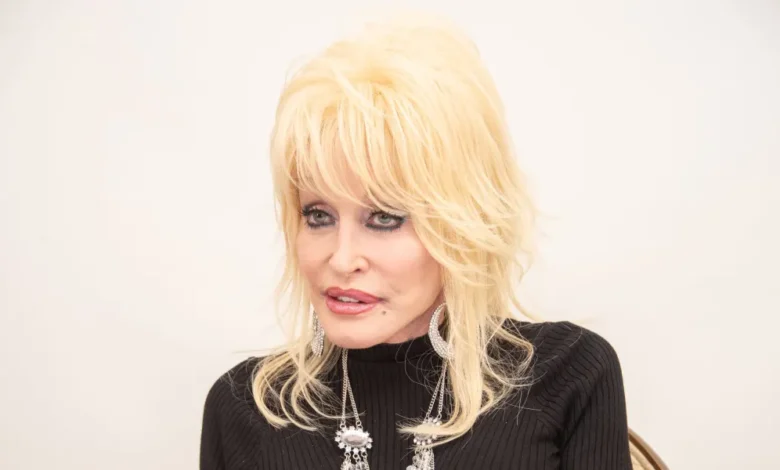
At first glance, the photographs look like ordinary Dolly Parton red-carpet moments: bright white outfits, polished hair, sparkling jewelry and the easy smile fans had known for decades. But look closer, and a small detail begins to stand out. In one image from a 2006 reunion with Jane Fonda and Lily Tomlin, a faint piece of body art can be seen near Parton’s upper arm and shoulder. Six years later, at the 2012 premiere of “Joyful Noise,” another photograph captured a tiny pinkish-red mark just above the neckline of her shimmering white jacket. Neither tattoo was especially bold. That was precisely what made them intriguing. For years, rumors had suggested Parton was hiding elaborate tattoos beneath her signature long sleeves, yet the rare glimpses that surfaced told a quieter and much more personal story.
Speculation about Parton’s tattoos had circulated for years because she so rarely displayed much of her arms or shoulders in public. Roseanne Barr added fuel to the mystery in 2011 when she described Parton’s body art as colorful, pastel and decorated with bows rather than the heavy black ink many people imagined. That description helped create an almost mythical image of what might exist beneath Parton’s carefully styled wardrobe. Then came the photographs. The 2006 picture showed just enough around the upper arm to suggest the rumors were not entirely invented, while the 2012 close-up revealed a delicate mark near her décolletage. Fans later became so fascinated with the idea of secret tattoos that even nude-colored fabric in one of Parton’s Grammy outfits was mistaken by some viewers for exposed skin covered in ink. The mystery grew largely because Parton herself had never treated the tattoos as something she wanted to put on display.
When she finally discussed them directly, the explanation was far less sensational than the rumors. Parton said she did have several tattoos, but described them as tasteful, artful and mostly pastel. Many had begun as a practical way to cover scars from surgeries and other medical procedures because her fair skin was prone to noticeable scar tissue. One of the most personal examples involved a small indentation left by a feeding tube after an illness. Instead of leaving the mark as it was, Parton transformed it into a tiny beehive tattoo, complete with a yellow-and-brown hive and a small bee. She also mentioned butterflies, ribbons and bows among the designs she preferred. For Parton, the tattoos were not an attempt at rebellion or reinvention. They were a way of turning something left behind by pain into something she found beautiful.