My Stepmother Said My Father Left Me Nothing—Then a Cemetery Caretaker Handed Me the Key He’d Been Saving for Years
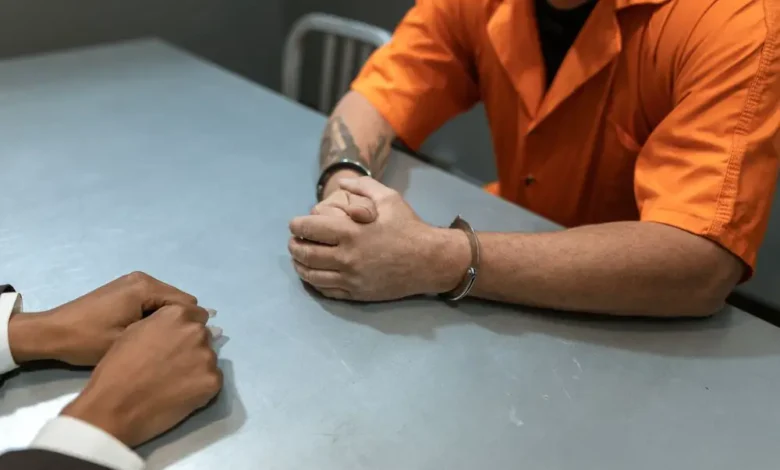
The wrongful-conviction review lasted eight months and moved with the slow, procedural weight of a system reluctant to admit that it had been wrong. Carla testified about the manipulated financial trail; the junior auditor explained how she had recognized transactions outside my authority; and records showed that the evidence used against me had been curated to direct investigators toward a predetermined suspect. Holt was arrested first and eventually entered a plea. Damien followed and was convicted on multiple fraud counts and conspiracy to obstruct justice. The witnesses whose testimony had helped send me to prison faced their own proceedings. On a Wednesday morning in July, a judge formally vacated my conviction. Patricia simultaneously pursued civil claims against Damien, Holt and Vanessa, arguing that Vanessa had knowingly benefited from the scheme and from the estate position created by my wrongful conviction. The civil settlement was substantial and included my father’s house. Later, a court granted my petition to exhume his remains and revisit the original cause of death. The toxicology was inconclusive, but the medical examiner found enough anomalies to justify reopening the investigation. Some questions remained unanswered, but the most important legal ones no longer did: I had been framed, my father had discovered it, and the people responsible could no longer rely on the story they had built around my name.
Two years after Vanessa told me I no longer belonged there, I walked back into my father’s house and found the photograph of the two of us at Lake Mercer still lying facedown on the shelf. I turned it over. We were both sunburned, smiling and holding a fish neither of us had known how to identify, and for a long time I simply stood there looking at the version of my life that existed before courtrooms and prison gates. I visit my father’s grave at Evergreen now, and sometimes Gerald and I drink tea afterward in the little cemetery office where he first told me the truth. He says my father spoke about me until the end and never stopped being proud of me. The house eventually came back. My name was cleared. The record now says what actually happened. But none of those things gave me the same relief as learning that, while I sat in prison believing my father had died ashamed of me, he had spent the last year of his life assembling evidence, hiring investigators, finding an attorney and hiding a key where he knew I would eventually come looking for him. He had not abandoned me. He had been trying to bring me home. He simply ran out of time before he could open the door himself.