I Bought a Montana Farm for a Quiet Retirement—Then My Son Arrived With Ten Guests and Told Me to Go Back to the City
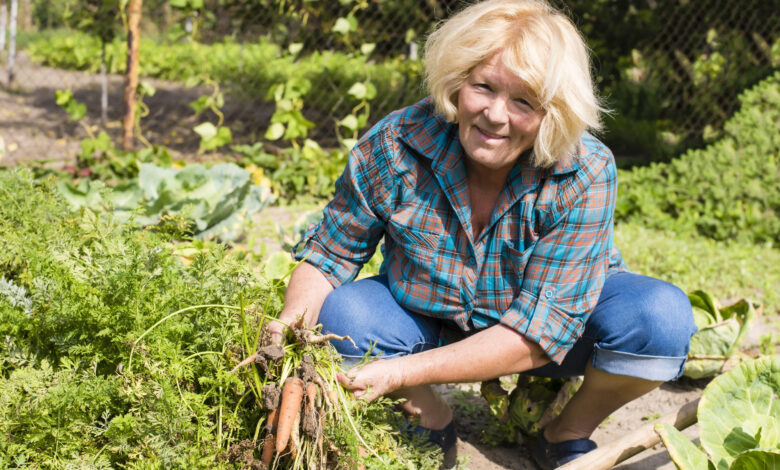
Ben came back in the fall with Cassandra, this time wearing real work boots and carrying his own gloves. He helped move winter hay, listened to neighbors whose families had worked Montana land for generations, and began understanding the difference between owning a place and being useful to it. In April he returned alone for nine days and helped me rebuild three hundred feet of deteriorated fence. By the fifth day, he had developed a better method with the fence stretcher than the one I had been using, and I told him so. The relationship changed because the terms changed: he was no longer arriving as a visitor expecting me to host him; he was participating in the work that made the place function. Cassandra changed too. She stopped treating my farm as scenery and began asking questions about the life I had built. Kyle and Jennifer eventually bought the property thirty miles east, after checking the creek drainage and speaking with neighbors first, exactly as Dale and I advised. The lesson none of them learned from a lecture was the one the land delivered naturally: farms do not care about status, job titles, or who thinks they are in charge. The fence either holds or it does not. The animals get fed or they do not. You earn your place by showing up.
My mailbox still carries only my name. Howard is everywhere on this farm—in the dream that started it, in memories on the porch, in the life we once planned—but the life that exists here now is the one I built after he was gone. Ben finally understands that. He is bringing his children next summer, not so I can entertain them, but so they can actually be here. There will be chores, noise, animals, weather, mistakes, and probably Margaret judging everyone equally from behind a fence. There will also be mornings when the mountains turn gold, evenings when the stars appear in numbers the city never allows, and the quiet satisfaction of looking at something that still stands because your hands helped keep it standing. I did not buy the farm to disappear from my family. I bought it because grief forced me to discover a part of myself I had never needed before. My son thought he was losing his mother to Montana. What he eventually learned was that he had simply met a version of me neither of us had known was there.