She Was Sleeping in Seat 8A—Then the Captain Asked if Any Combat Pilots Were on Board
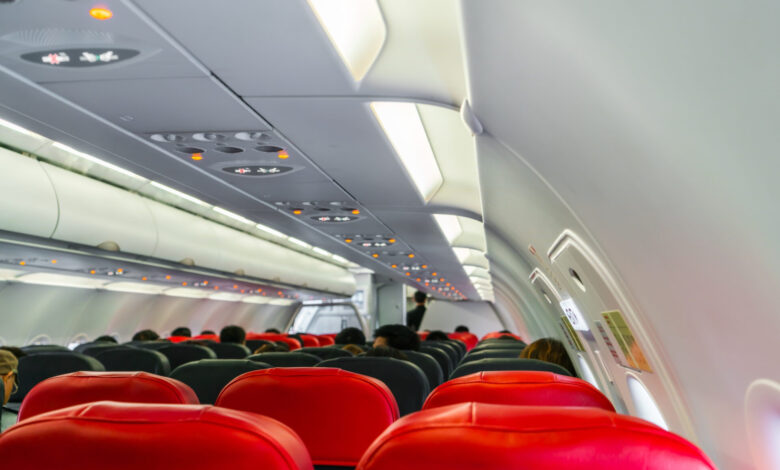
Her sister Sarah was waiting at Heathrow, and in the quiet of Sarah’s kitchen Mara finally admitted what had been underneath the exhaustion for years. She had loved flying, but the better she became at military aviation, the more her life narrowed until she felt less like a person than a capability. Leaving had given her distance but not direction. The emergency over the Atlantic revealed that she did not actually want to abandon the work itself; she wanted a version of it that did not require the same personal cost. After sleeping nine uninterrupted hours at Sarah’s house, Mara woke knowing she wanted to fly again. She resumed therapy with a veterans’ specialist, entered a military-to-civilian aviation transition program, completed the required civilian certifications and ratings, and began preparing for an Airline Transport Pilot qualification. The process demanded far more than simply proving she could handle an airplane—it required adapting to commercial procedures, civilian authority structures, passenger responsibility, and a different culture of flight. Months later, when she passed her ATP check ride, the career she thought she had abandoned had become something else instead of disappearing.
Mara eventually understood that those ninety minutes over the Atlantic had not dragged her backward into the life she was trying to escape. They had shown her the distinction she had been unable to see while exhausted: she had not been finished with flying; she had needed to stop flying the way she had before. When Sarah asked whether her daughter Emily could ride on Mara’s first commercial flight and requested a window seat, Mara told her to give the girl 8A. There was nothing magical about that seat, yet everything important had started there—a tired former combat pilot trying to sleep, an unexpected announcement, and a decision to stand up because someone needed what she knew. Mara was still more than her capability. She had family, therapy, rest, choices, and a life outside the cockpit now. But when she walked across the tarmac toward an aircraft again, she no longer mistook being a pilot for the burden she had carried around it. The sky had never been the thing she needed to leave behind.