My Adult Daughter Asked Her Husband for Permission to Eat Her Own Birthday Cake—One Look From My Husband Told Me Something Was Wrong
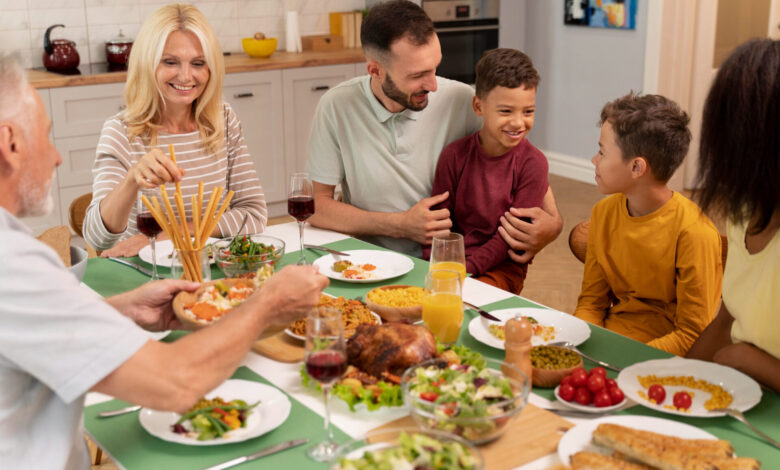
Hannah’s hand rose halfway toward the lemon cake and stopped. At thirty-one years old, sitting in the kitchen where she had celebrated nearly every birthday since childhood, my daughter turned toward her husband and quietly asked whether she could have dessert. Craig answered for her before I could: “She’s fine, thanks.” I was still holding the cake knife when my husband Robert looked across the table at me with the expression we had developed over thirty-six years of marriage—the one that meant I saw that too. Be careful. Hannah shifted her empty plate aside as though making room for something that was never coming. In that instant I began counting everything I had explained away for months: the alcohol she had stopped drinking, the loose gray dress she wore every Sunday, the beach weekend she canceled, the strange little pauses before answering ordinary questions. By the time Craig stepped outside to take a phone call, I knew enough to ask Hannah whether she needed help.
She pulled me into the back room, locked a door that had never been locked before, and told me the shape of the life she had been hiding. Over four years of marriage, Craig had gradually taken control of her food, money, clothing, friendships, schedules, and choices so completely that Hannah could no longer identify one clean moment when it had begun. She explained the gray dress, the untouched wine, the canceled trip, and why eating two dinner rolls meant she already expected consequences later. Asking permission for birthday cake had become reflex rather than conscious thought. She had been quietly preparing to leave for eight months, setting aside small amounts of money, keeping an emergency bag in her car, consulting a lawyer, and speaking with someone from a domestic-violence hotline. What she needed from me was not an immediate confrontation or a rescue executed on my terms. “I need somewhere to go,” she said. I wrapped my arms around her and told her the only thing that mattered in that moment: “This is where you go. You’re already here.”
Following Hannah’s lead was harder than acting, but it was also safer. A retired social worker I trusted reminded me that Hannah had survived by planning carefully and that disrupting those plans could place her in greater danger. A few days later, Hannah called from her car and said Friday would be the day. Craig would be away until Saturday afternoon, giving her time to leave with the documents, clothing, money, and personal items she had identified in advance. Her friend Kendra helped, Robert stayed available, and her brother David quietly prepared to do whatever was needed. Hannah arrived at nine Friday morning with three bags and a box, then sat on the edge of the bed in the same room where she had grown up. She admitted she was frightened—not necessarily of Craig in that moment, but of everything afterward: the legal proceedings, finances, explaining the separation, rebuilding routines she no longer trusted herself to control. Then she said she was hungry. I made eggs and good bread, and she ate three pieces of toast with butter while no one at the table commented on what or how much she ate.