My Neighbor Carried Huge Black Trash Bags to the Curb Every Morning—Then I Looked Inside One
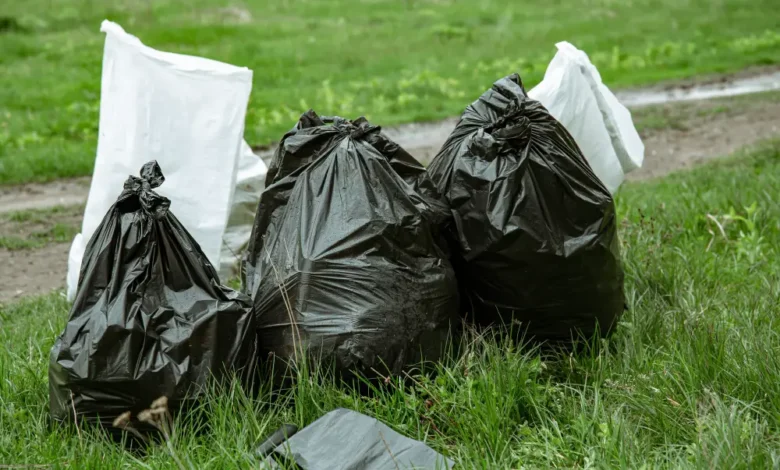
The first thing that struck me when I opened Barbara’s trash bag was the smell—not garbage, but dried flowers, old and sweet in a way that made the back of my neck prickle. Inside were men’s clothes folded with almost ceremonial care: a charcoal suit jacket, pressed white shirts, dark trousers, each item stacked as though it had just come from a drawer instead of being thrown away. Beneath them sat a worn leather wallet, a scratched wristwatch, and a ring of keys wrapped separately in a grocery bag. I stood frozen on the sidewalk, suddenly ashamed of my curiosity and unsettled by what I was seeing. Barbara had been carrying three, four, sometimes five contractor-grade bags to the curb almost every morning for months, and nobody had ever seen a man living in her immaculate pale-blue house. I tied the bag exactly as I had found it and walked home. My wife Maya took one look at my face and asked what was wrong.
Barbara had always seemed like a woman whose life was perfectly arranged—trimmed boxwoods, spotless SUV, seasonal flowers appearing almost on schedule—but we knew almost nothing about her. When I finally crossed the street and admitted that I had looked inside one of her bags, she did not become angry. She turned off the garden hose in her hand and told me her husband Edward had died seven months earlier after a two-year illness. They had moved into the neighborhood after his diagnosis and spent most of their time simply “managing,” never forming the kind of relationships people assume everyone on a quiet suburban street must have. After Edward died, Barbara could not tolerate seeing his belongings in every room, yet she could not bear to make deliberate decisions about giving them away either. So she began placing things into bags, first storing them in the garage and eventually carrying them to the curb without reopening them. She still folded his clothes carefully because Edward had been particular about how his shirts and suits were kept. Even while letting his belongings go, she was still instinctively taking care of them the way he would have wanted.
Maya went over the next afternoon and stayed nearly two hours. She learned that Edward had been an engineer who loved old movies, bad jokes, and growing tomatoes, and that Barbara’s adult children lived in other cities. No one nearby had understood how alone she had been. Soon Maya and I began bringing soup across the street, first under the excuse that we had made too much, then simply because it gave us a reason to sit with her. Inside Barbara’s home we discovered ceramics she had made, woven wall hangings, small watercolors, photographs of Edward throughout their thirty-one-year marriage, and a few possessions she had deliberately kept on the mantel: his everyday watch, his wallet, and his keys. Those were not the same items I had seen in the bag. Barbara admitted she had believed getting rid of his things would reduce the grief, but every morning the garbage truck took another part of his physical life away and the house remained just as full of his absence. The bags had not been a cleaning project at all; they were simply the only action she could think of when sitting still with loss felt impossible.