Five Teenagers Died After Driving the Wrong Way on a Motorway—The Family They Hit Is Still Fighting to Recover
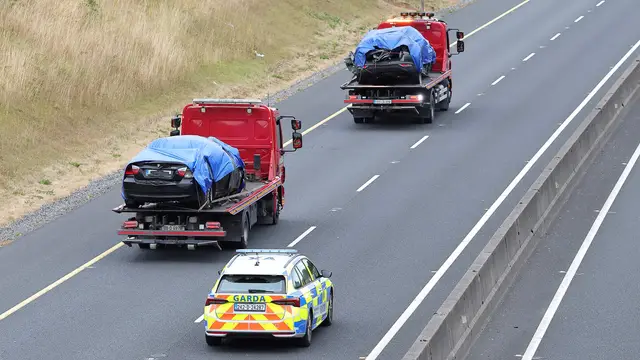
Garda Commissioner Justin Kelly similarly described the collision as horrific and emphasized that the family in the Hyundai had been travelling innocently when their vehicle was struck. He said incidents involving deliberate wrong-way driving place Gardaí in an extremely difficult operational position, requiring officers to balance an attempt to stop a dangerous vehicle against the risk that intervention itself could endanger other road users. Because the M9 incident had been referred to Fiosrú, the Police Ombudsman, Kelly said he was limited in discussing the specific police response and confirmed that An Garda Síochána would cooperate fully with the investigation. He also acknowledged the emergency personnel who attended the scene, confronting circumstances that no paramedic, firefighter, or police officer can experience without consequence. Beyond questions of criminal liability or investigative procedure, the immediate priority remained the four surviving members of the Hyundai family and the medical teams treating them. Their recovery—not the attention generated online—was the part of the story still being written.
The aftermath of the M9 collision is difficult precisely because there is no simple way to divide grief into deserving and undeserving categories. Parents have lost sons and friends have lost teenagers they expected to grow older alongside them, while another family woke up that morning with injuries capable of changing the course of several lives. The seven-year-old child in hospital may eventually remember the crash very differently from the adults discussing its causes, investigations, and social-media implications. That is what can disappear when reckless acts become clips, challenges, or stories designed to attract attention: the people coming in the opposite direction are not part of the performance. They are simply driving home, going to work, visiting relatives, or travelling with their children. Long after the posts disappear and public attention moves elsewhere, they are the ones left facing hospital rooms, rehabilitation, bereavement, and the consequences of a few irreversible minutes on the road.