My Neighbor Secretly Charged Her Tesla From My House Every Night—So I Let the Meter Tell the Story
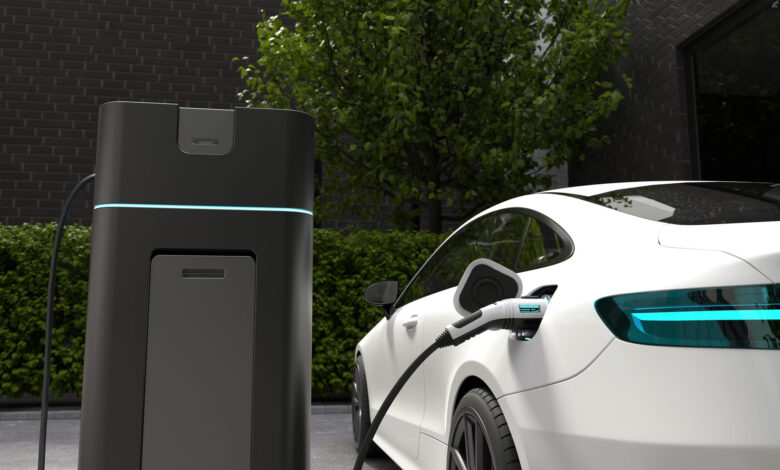
The first time I caught Monica charging her Tesla from my house, the cable was stretched across my lawn like it belonged there. It was after midnight, and I had gone to the window because a faint electrical hum had been keeping me awake when I saw her car parked beside my driveway and plugged directly into the outdoor outlet on my garage. When I confronted her, she barely looked embarrassed. “You live alone,” she said, shrugging, as if that somehow made my electricity public property. My utility bill had nearly doubled, but Monica laughed and accused me of being greedy for complaining about what she called “a few dollars.” I went back inside without arguing. By the next afternoon, I had decided that if she believed the amount was too insignificant to matter, I would let the numbers prove otherwise.
My name is Carol, and I was sixty years old, widowed for three years, and accustomed to living carefully on my own after thirty-eight years of marriage to Robert. Monica’s behavior had never begun with the car: she had previously helped herself to my lawn mower and even moved one of my garden ornaments into her own yard, always relying on my reluctance to create neighborhood conflict. This time I called my nephew Daniel, who worked with electrical systems, and asked him how much overnight EV charging could realistically add to a household bill. His answer confirmed what I already suspected: repeated charging sessions could consume a meaningful amount of electricity, and using another person’s utility without permission was not something I needed to tolerate simply because Monica considered it convenient. Rather than escalate immediately, I began documenting what was happening. With Daniel’s help, I had the garage circuit professionally monitored so each unauthorized charging session could be timestamped and its electricity consumption recorded. Over the next several days, the log showed repeated six-to-eight-hour sessions—enough to establish that Monica’s behavior was neither accidental nor occasional.
Once the pattern was documented, I confronted the problem where Monica could no longer dismiss it as my imagination. One evening, after she plugged in again, the unauthorized charging session stopped, and the sudden interruption brought her outside repeatedly to inspect a connection she had no right to be using in the first place. Eventually a bright exterior light illuminated the cable stretched from her Tesla to my garage, and Monica’s startled shout brought several neighbors onto their porches. When she complained loudly that something was wrong with “my outlet,” I calmly explained what everyone was looking at: she had been charging her vehicle from my home for weeks without permission, my electric bill had doubled, and when I previously asked her to stop, she called me stingy. Monica tried the same defense she had used privately—three children, constant errands, my supposedly quiet retired life—but it sounded very different with half the street listening. Then I told her I had dated, timestamped records showing exactly how much power she had taken. Suddenly, what she had repeatedly called insignificant became something she wanted to discuss privately.