Our Babysitter Said the House Was Already Wrecked—Then the Camera Showed 50 Teenagers Dancing in Total Silence
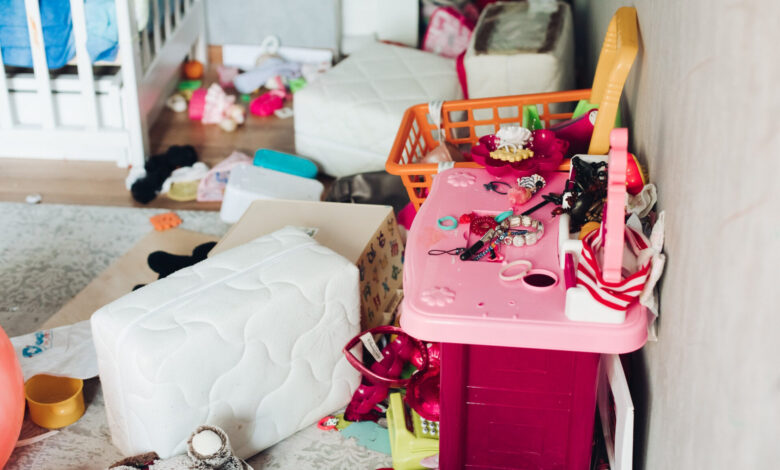
I was still wearing my wedding dress when I sat at the kitchen table and pulled up the security footage from two o’clock the previous afternoon. Our seventeen-year-old babysitter, Chloe, had insisted the house looked that way when we left, yet garbage covered the lawn, bottles filled the flowerbeds, and every neighbor on the street swore they had heard absolutely nothing all night. The footage began normally: Chloe reading to our children, making snacks, putting three-year-old Leo down for his nap, and settling six-year-old Mia with crayons. Then at 7:04 p.m., a teenage boy slipped through the back gate carrying his shoes in his hands. More followed in pairs and threes. By 8:15, nearly forty teenagers were filling our downstairs rooms, and that was when we finally understood how an entire party had happened without producing a single noise complaint. Every one of them was wearing large wireless headphones, moving to synchronized music that existed only inside their ears.
The operation was far more organized than anything I associated with a teenage party. Cars had been parked several streets away, guests arrived through the alley in staggered groups, shoes came off at the door, speakers were forbidden, and nobody was allowed upstairs. Chloe had learned the system through a local group chat where so-called “silent parties” had already been held at other homes while parents were away. She later admitted she had initially refused when friends asked to use our house, but pressure kept building until she convinced herself the party would happen anyway and that her only remaining choice was whether she controlled it. That logic was wrong, of course, but the footage revealed something else that complicated my anger. Every twenty or thirty minutes, Chloe left the party and checked on Mia and Leo. I counted nineteen visits over nine hours. Not once did she allow another teenager upstairs, and at several points she stopped guests at the door to make them remove their shoes and keep the noise down. She had violated our trust badly while, in the same night, treating the safety of our children as the one rule she refused to break.
By midnight the system began collapsing under its own size. Nearly fifty teenagers had cycled through the house, trash bags overflowed, pizza boxes accumulated, and bottles made their way into the garden even though Chloe and others had been cleaning as they went. At 2:15 a.m., the final guests left through the back gate, and Chloe sat alone in our armchair with her head in her hands until our headlights swept through the window two hours later. When we confronted her with the footage, she stopped trying to defend herself. She explained that the parties had become a local teenage ritual with established rules, and that for the first time she had felt socially important because she controlled access to an empty house. Her parents were devastated when they saw the recordings, especially after learning the same system had been used at two other homes. What remained hardest to reconcile was that Chloe had clearly understood the risk well enough to build precautions around it, yet had still allowed fifty strangers into a house containing two sleeping children. Responsibility and recklessness had existed in the same person at the same time.