My Husband Said His Mother Was Sick—Then I Learned His Family Had Invited 22 Children to a Wedding Except My Daughter
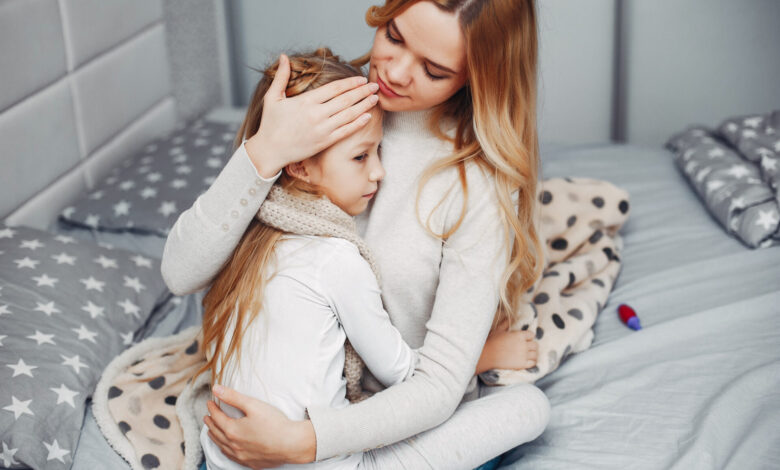
My seven-year-old daughter was sitting on the kitchen floor in her pajamas, struggling to fasten a purple hair clip, when my husband came downstairs wearing a white shirt and carrying his navy suit jacket. He told me his mother was dizzy, that her blood pressure might be acting up, and that he needed to go check on her. When I asked why he was dressed for a formal event, he mentioned a client meeting later and kissed me on the head before leaving. Our daughter ran over proudly to show him the crooked clip, and he fixed it for her before telling her Grandma needed rest and we would not be seeing her that day. A few hours later, a neighbor sent me a photograph from Corinne’s wedding venue showing a cheerful sign announcing that children were welcome. Twenty-two nieces and nephews had been invited. My daughter was the only child in the family who had been deliberately left off the list.
My husband had entered her life when she was three, years after her biological father disappeared, and had once told me, with complete conviction, “She’s mine too now.” His family had never embraced her with the same certainty. His mother, Maribel, called the biological grandchildren “my babies” while greeting my daughter politely by name, gave the others personalized presents while handing her gift cards, and repeatedly positioned her at the edge of family photographs. I noticed every small exclusion, but my husband always explained it away: his mother was old-fashioned, awkward, still adjusting. When his sister Corinne became engaged and later struggled to cover her wedding expenses, we gave her $3,000 from our joint savings because she was family and because my daughter adored her. Corinne had even told my little girl she would dance more than anyone at the reception. When no invitation arrived, we were told the wedding had become mostly adults-only. My daughter accepted that explanation and spent a week making Corinne a construction-paper card that read, in shaky letters, FOR MY AUNT ON HER BEST DAY.
The photograph changed everything. I called Priya, my husband’s other sister, and learned not only that the wedding was happening that afternoon, but that my husband had been there since morning helping build the ceremony arch. Then Priya told me what Maribel had said during a dress fitting: my daughter was “not really one of us,” so there was no reason for her to attend. Corinne had known, disagreed privately, and chosen not to fight her mother because their parents were paying for half the wedding. My husband had also known weeks in advance and decided that lying about a medical emergency was easier than telling me the truth. That evening, when he came home still wearing his wedding suit and continued inventing details about his mother’s nonexistent tests, I finally confronted him. He admitted everything. What broke something in me was not simply that his mother had rejected my daughter; it was that the man who had chosen to become her father had stood beside the family doing it and protected their comfort with a lie.