At My Granddaughter’s Wedding, They Called Me “The Absent Old Lady”—Then the Final Bill Arrived
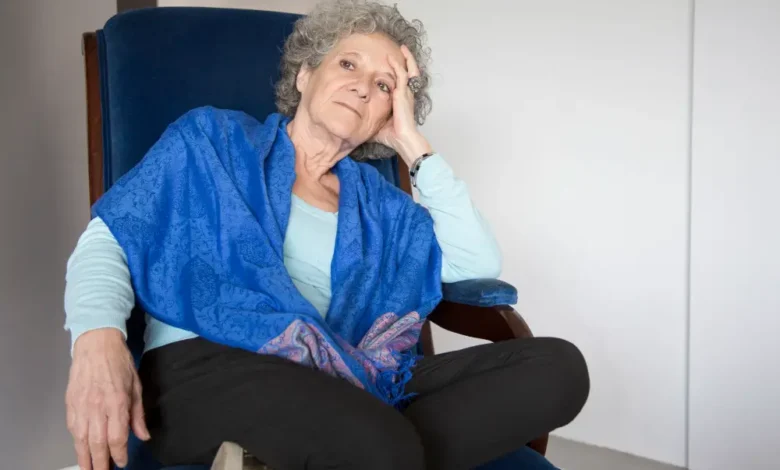
The name tag felt heavier than paper had any right to feel. I had spent three hours dressing for my granddaughter Elsie’s wedding, fastening pearl buttons with arthritic fingers and smoothing the pale blue dress I had saved months to buy, only to arrive at the Bellamy Hotel and be handed a badge that read, “The absent old lady.” I told myself it had to be a mistake, but the coordinator brushed me aside and sent me to a seat hidden behind a large floral arrangement at the back of the ceremony. At the reception, I was placed at Table 19 under a card marked “extended connections,” while my son James gave a speech about Elsie’s childhood without once mentioning the grandmother who had helped raise her. When I finally approached the bridal table with a wedding gift, Elsie barely looked at me before directing me toward the gift pile. Then I noticed the planner’s clipboard: “Eleanor Walsh — isolated seating, minimal interaction as requested by bride’s mother.” In that moment, I understood that I had not drifted to the edges of my family by accident; they had put me there.
Years earlier, I had been anything but absent. After my husband Henry died young, I raised James alone, worked two jobs to send him to college and later became the person Elsie depended on during the instability of her parents’ divorce. I taught her to read, bought her first watercolor set, kept her for entire summers and celebrated every small triumph. When James remarried Sandra, however, my modest life gradually became an embarrassment beside their wealthier social circle. Visits dwindled, calls became rare, and eventually I was tolerated more than included. Still, when James told me Elsie needed money for a prestigious private arts education, I sold the home where I had raised him and gave him the entire $175,000 proceeds for her future. I moved into a noisy one-bedroom apartment and accepted the shrinking visits because I believed sacrifice was simply what mothers and grandmothers did. At the wedding, while everyone celebrated a young woman whose future I had helped finance, I finally saw how completely my generosity had been separated from my place in the family.
As I prepared to leave the reception, I overheard hotel staff discussing the remaining balance: $42,875, due that night. I also learned that the contracts listed James and the bridal party as the financially responsible parties, although a portion of the event had been arranged as a “grandmother contribution.” I went directly to hotel management and withdrew that contribution. The next morning, the calls began—James furious, Sandra demanding, Elsie crying that her Bali honeymoon might now be canceled. When James and Sandra arrived at my apartment demanding that I fix the situation, I placed the insulting name tag on the coffee table and asked why the “absent old lady” should finance a celebration from which she had deliberately been excluded. During the argument, James accidentally revealed that part of the money from my house sale had not gone toward Elsie’s education at all; it had helped purchase a condominium for Elsie and her new husband. Days later, my banker Walter Drummond called to report something even worse: James had presented a power of attorney bearing a forged version of my signature in an attempt to access my safety-deposit box.