My Neighbor Dumped Her Trash Beside My House to Avoid Paying for Pickup—Then Her Own Garbage Exposed What She’d Been Doing
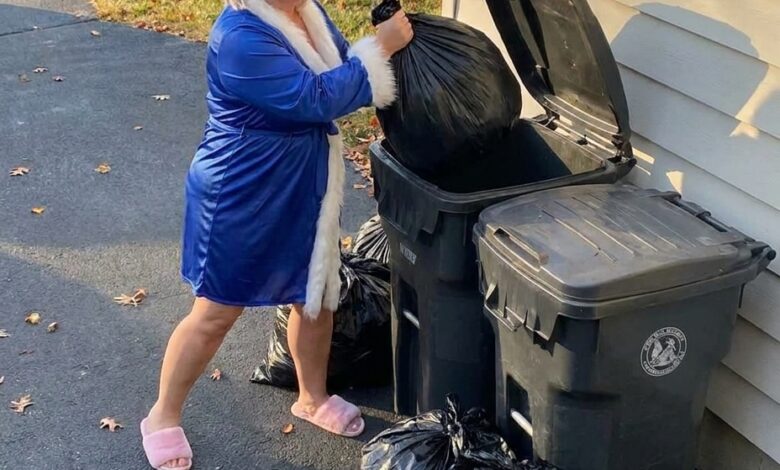
The most painful discovery was mine. Beneath a folded blanket lay my husband’s crooked wooden picture frame—the one Helen had criticized shortly before it vanished. As neighbors compared stories, a pattern emerged: sentimental objects tended to disappear shortly after someone confronted Helen, rejected a demand or told her no. Her behavior was no longer merely rude or entitled; it involved property that other residents said had been taken without permission, and several people began documenting what they recovered and where it had been found. I returned each identifiable item to its owner and told Helen clearly that she was no longer permitted to enter my garage, porch or yard, use my refuse service or allow her children into my flower beds. If there were further incidents, I would document them and involve the appropriate authorities rather than trying to settle them privately. She protested that I could not tell her what to do. “On my property,” I said, “I absolutely can.”
A new garbage bin appeared outside Helen’s house the following week. George noticed it and joked that she must have finally found room in her budget for trash collection, and for once I laughed without feeling guilty about it. I put my husband’s frame back on the mantel and ran my fingers across the uneven corner he had shaped with his own hands years earlier. The frame had never been valuable in the way Helen understood value, which was exactly why losing it had hurt so much. I had spent most of my life believing peace meant staying quiet, overlooking small violations and making myself easier for other people to deal with. What Helen taught me was almost the opposite. Peace can also mean knowing where your property ends, where someone else’s entitlement begins, and being willing to say—with no apology attached—that the line matters.