My Neighbor Ran His Tesla Cable Across My Driveway—Then an Electrician Exposed the Real Problem
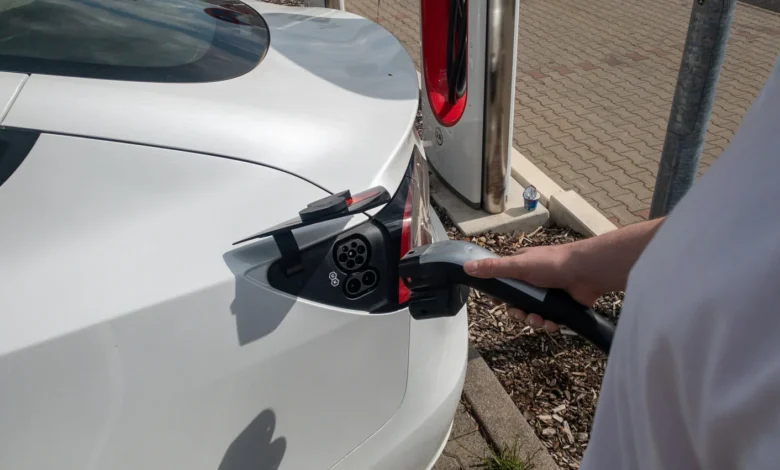
The black charging cable was stretched across the edge of my driveway again when I came home from work, this time beneath a bright orange rubber ramp that looked suspiciously permanent. I backed my installation van toward the garage, stopped, and stared at it through the windshield. For weeks my neighbor Derek had treated my driveway as the easiest route between the Tesla charger on his garage wall and the place where he preferred to park. The first time he asked permission, and I said yes because it was only supposed to be for an afternoon. Then the cable returned without asking, followed by one protector, then a sturdier protector, and finally two workers kneeling beside my concrete with a drill, preparing to anchor the route in place. That was when I stopped arguing from the curb and began documenting everything: photographs, dates, texts, attempted fasteners and every time my access had been obstructed. Eventually I hired an independent electrician named Roy Fenster, who measured the setup and confirmed the fact Derek had spent months trying to work around—the charger, exactly where it had been installed, simply could not serve his usable parking space without crossing my property.
I had lived in that house for eleven years and worked as a cabinet installer, which meant the driveway was more than a patch of concrete to me. I backed my van into it every evening, loaded tools before sunrise and sometimes carried heavy hardware cases or full sheets of cabinet-grade plywood directly between the garage and vehicle. Derek had been a decent neighbor when he first moved in, and I genuinely believed his original request was temporary. The problem developed one small assumption at a time. When I said I did not want to drive over his cable, he decided the solution was a safer ramp. When I objected to that, he found a better ramp. When I objected again, he tried to make the crossing permanent. He kept solving the question, “How can I make Marcus tolerate my cable?” while avoiding the more obvious one: “Why does my electrical installation depend on Marcus’s driveway at all?” Roy’s written report finally reduced the dispute to measurements instead of opinions. The manufacturer-approved lead would not reach from the wall unit to Derek’s practical parking position without crossing my pavement, and no alternative angle or listed replacement cable changed that.
That technical report took us to formal mediation with two attorneys and mediator Paul Reynolds. My lawyer, Sarah Mitchell, proposed a simple term: no charging cable, ramp, protector, bracket, fastener or other charging equipment could be placed on my driveway without my written permission. Derek still insisted the crossing was temporary and harmless until Paul asked him directly whether his existing charger could serve his car without using my property. Roy’s report sat between us on the conference table. Derek’s attorney asked whether anything had changed since the inspection—a different charger, cable, parking location or wall position—and the answer to every question was no. The room went quiet. Then Paul summarized what the months of arguments had obscured: Derek’s system worked as intended only if I surrendered part of my driveway to it. When Derek asked why that mattered so much, I gave him the only answer that had ever been necessary. “Because it’s my driveway.” This time, nobody treated that as inadequate.