My Husband Asked for a Separate Hotel Room on Our 20th Anniversary—Then I Learned What He Had Been Hiding
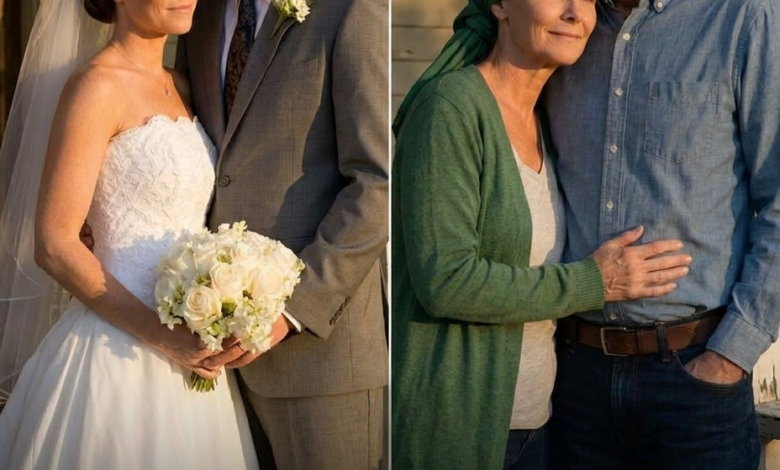
The moment Jeffrey looked at the king-size bed in our honeymoon hotel, his face changed. Five months after finishing chemotherapy, I had brought him back to the mountain lodge where we had spent our first nights as husband and wife, hoping that for one weekend I could feel like his partner again instead of his patient. The room was warm and familiar, with pine trees outside the window and the same kind of soft lamps I remembered from twenty years earlier. Instead of smiling, Jeffrey gripped his suitcase and announced that he wanted another room down the hall. He said he had been sleeping badly and did not want to disturb me, but after months of short hair, surgical scars and trying to recognize my own body in the mirror, I heard something entirely different. I heard that my husband no longer wanted to sleep beside me. When he walked out with his suitcase, I sat alone on the edge of the bed and became convinced that surviving cancer had saved my life but changed my marriage.
Jeffrey had given me little reason to doubt his devotion during treatment. He drove me to appointments, memorized my medication schedule, sat beside me through chemotherapy and repeatedly told me I was beautiful even when I could barely believe the word myself. Yet I had also noticed changes in him that I never stopped to examine closely. He had begun wearing oversized flannel shirts almost every day, changing clothes behind the bathroom door and avoiding being seen without layers. Because my attention had been consumed by my own recovery, I assumed those habits meant nothing. That night, after an uncomfortable anniversary dinner, Jeffrey returned to my room with red eyes and finally admitted that the second room had nothing to do with my appearance. He slowly unbuttoned his shirt and revealed angry red marks circling his ribs and stomach. Then he pulled a black compression garment from his suitcase and told me the truth.
While I had been undergoing treatment, Jeffrey had quietly stopped taking care of himself. Fear kept him awake, exercise disappeared, and his eating swung between forgetting meals and using food to cope with the possibility that I might die. He had gained nearly sixty pounds since my diagnosis and had become so ashamed of the change that he bought tight shapewear for our anniversary trip, hoping I would not notice the body beneath his oversized clothes. The compression garment was painful enough that he could not imagine sleeping in it all night, yet he was even more afraid of lying beside me without it and letting me feel how much his body had changed. So he rented another room. When I asked whether he truly believed I might stop finding him attractive because of his weight, he lowered his head and nodded. In that instant, I realized we had spent months trapped inside the same fear: I thought cancer had made me undesirable to him, while he believed caregiving and grief had made him undesirable to me.