My Daughter Called My New Wife a Monster at Dinner—Then She Explained What She Was Afraid Of
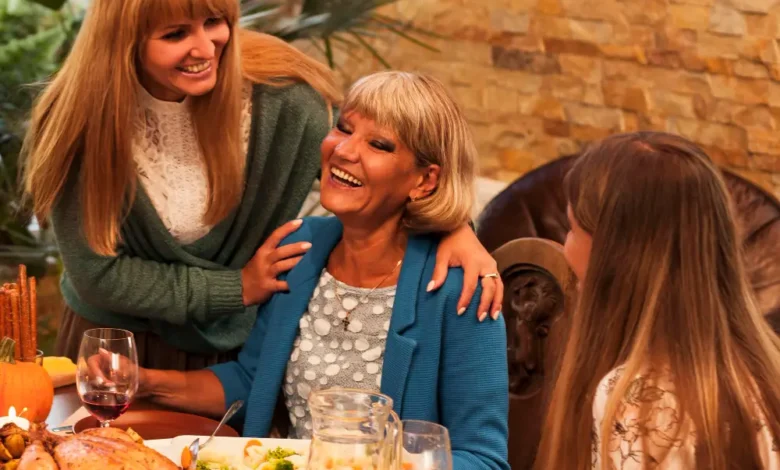
The chair scraped hard against the dining-room floor just as dessert reached the table. Four-year-old Ari stood beside her plate, pointed directly at my new wife Claire and said, with complete certainty, “She’s a monster.” My mother froze with her hand around her coffee cup, my sister stopped mid-bite and Claire became perfectly still. I tried to soften the moment by asking Ari why she would say something so cruel, but then I saw her face and understood this was not cruelty at all. Her eyes were frightened, her hands twisted the hem of her dress and tears were already gathering. “Because when I love Claire,” she whispered, “Mommy starts fading.” In a single sentence, my daughter revealed something I had failed to recognize for years.
Ari’s mother, Sarah, had died only hours after giving birth to her, leaving behind photographs, stories and one precious recording of herself singing a lullaby during the final weeks of pregnancy. For the first two years of Ari’s life, grief filled our house as completely as furniture. I kept Sarah’s photographs everywhere, but hearing her recorded voice hurt so badly that I often avoided playing it, even when Ari asked. Then Claire entered our lives with an extraordinary patience that never demanded anything from my daughter. She did not ask Ari to call her Mom, never moved Sarah’s photographs and never treated the family we had been before her as something that needed to be cleared away. Ari adored her, yet I began noticing an odd pattern: after every especially happy moment with Claire—a bedtime story, braided hair, a blanket fort—Ari would seek out Sarah’s photograph or ask to hear the lullaby. I told myself she was simply adjusting, never realizing that she believed every new memory was erasing a mother she had never been given enough memories to know.
At the dinner table, Ari finally put that fear into words. She explained that when Claire brushed her hair, she worried she would forget what Sarah doing it might have felt like; when Claire hugged her, she feared her real mother’s hugs were disappearing from her imagination. Relatives had casually referred to Claire as her “new mommy,” and in Ari’s four-year-old understanding, new meant replacement. In stories, she told us through tears, monsters made people disappear. Claire stood, walked into the living room and returned carrying Sarah’s framed photograph. Instead of defending herself, she placed it carefully on the empty chair beside Ari and moved her own chair slightly back. “Your mommy gets a seat too,” she said. Then she told Ari she did not want Sarah’s place and asked her to tell her something about her mother. Ari looked down and answered with four quiet words that changed the entire evening: “I don’t know enough.”