An Entitled Man Took My 92-Year-Old Grandfather’s Seats—Then His Own Son Stood Up
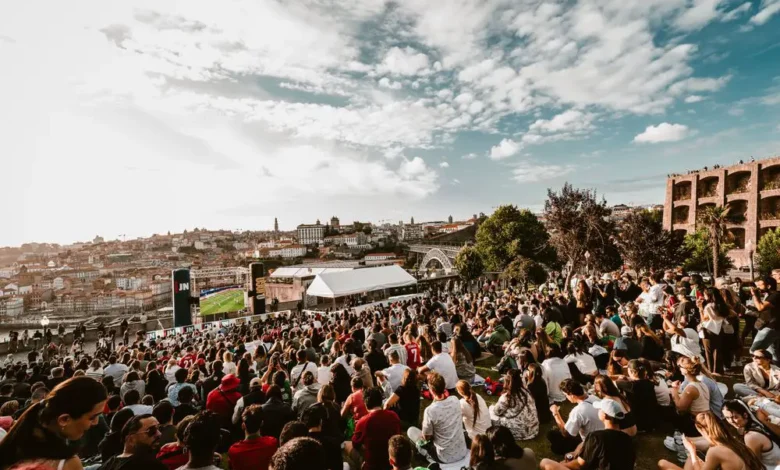
The man lowered himself into my grandfather’s accessible seat as casually as if he had purchased it himself. Around us, the national stadium shook with chants, drums and the rising roar of thousands waiting for the cup final to begin. My ninety-two-year-old grandfather, Jeremy, stood beside his wheelchair gripping the railing, his faded blue scarf wrapped around his neck and a photograph of my late grandmother tucked carefully inside his jacket. I explained that the seats were reserved for his mobility needs and that I had bought them months earlier for the match he had waited most of his life to attend. The stranger glanced at him and said the old man could sit anywhere because he probably would not remember the match the next day. His wife looked away, while their teenage son went pale. When the man’s body settled fully into Grandpa’s chair, the excitement that had carried Jeremy through thirty-seven mornings of counting down seemed to disappear from his face.
Grandpa had supported the same club for seventy-three years, through long losing seasons, rare triumphs and every ordinary Saturday in between. Football was never merely entertainment to him; it was a ritual shared with my grandmother, June, who had occupied the chair beside his recliner until her death twelve years earlier. They had once promised each other they would attend a major final together, but bills, children, illness and the postponements of ordinary life kept moving that promise into the future. After his cardiologist warned me not to delay anything important, I purchased two premium accessible tickets near the front of the lower section. On the morning of the match, Grandpa dressed before sunrise, placed a photograph of nineteen-year-old June inside his wallet and carried her with him into the stadium. When the pitch first appeared through the tunnel, he stood despite the effort, lifted the picture toward the field and whispered that they had finally made it. The afternoon should have belonged to memory, loyalty and a promise kept after half a century.
As I began guiding Grandpa away, the stranger’s teenage son called after us. His name was Brandon, and from a worn backpack he removed an old captain’s armband that had belonged to his grandfather, a lifelong supporter who believed leadership meant responsibility for the people around you. Brandon apologised for his father’s behaviour and repeated the lesson attached to the faded fabric: a captain gives up his place before taking someone else’s. Then he told his father, in front of the surrounding rows, that his grandfather would have been ashamed of them. Other supporters began paying attention, and one by one they challenged the man for taking an elderly disabled supporter’s reserved seat. When Brandon tried to give the armband to Grandpa, Jeremy closed the boy’s fingers around it and told him that such an inheritance belonged with the person brave enough to honour it. The confrontation had begun with entitlement, but it was now exposing a deeper question about who truly deserved to carry the symbol of leadership.