My Daughter Used My $43,200 to Plan a Hawaiian Vacation—So I Emptied the Account Before Boarding
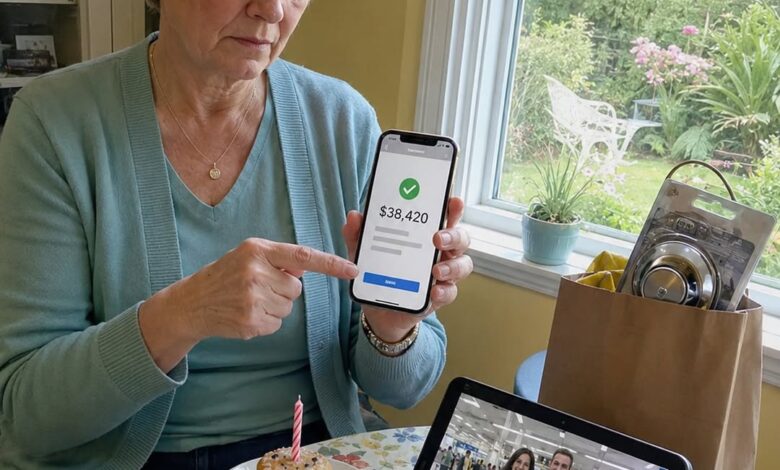
Because Evelyn remained an authorised holder of the joint account, the transfer could be completed through ordinary banking controls, although she preserved statements, payment records and Lauren’s written requests in case ownership was later disputed. Adrien cancelled the vehicle payments he had been making and reviewed his own records, uncovering the same pattern of false hardship. The cancelled trip left Lauren and Marcus responsible for credit-card balances, airline penalties and a vehicle they could no longer afford. Evelyn declined further financial support, replaced informal arrangements with clear boundaries and refused to reopen shared accounts or restore household access. Sylvia accused her of selfishness, but the bank statements showed that Evelyn had contributed $43,200 based on representations that were demonstrably inconsistent with the couple’s spending. Evelyn did not pursue reimbursement beyond recovering the untouched balance, nor did she attempt to punish her daughter through legal action. She simply ended the arrangement, protected her remaining retirement assets and required Lauren and Marcus to manage their obligations without relying on manufactured emergencies.
The months that followed were difficult but clarifying. Lauren returned to full-time employment, the expensive vehicle was sold and the couple began confronting debts that had previously been hidden behind family assistance. Evelyn converted the old bedroom into a sage-green reading and sewing room, travelled alone to a quiet mountain inn and discovered how peaceful her life felt when she was no longer waiting for the next financial crisis. Eventually, Lauren called without asking for money and admitted that she had treated her mother’s support as an entitlement rather than a sacrifice. Evelyn allowed her to visit under new conditions: no fabricated emergencies, no financial requests and no expectation that trust would return simply because an apology had been offered. On her first visit, Lauren rang the doorbell and waited instead of trying an old key, then sat at the kitchen table with a bag of pastries and spoke about her week. The relationship remained cautious, but it was finally honest. Evelyn had once believed that saying no would make her an uncaring mother; instead, refusing to finance deception gave both women the chance to meet again as adults, with a working lock on the door and the choice to open it belonging to Evelyn.