I Came Home From Heart Surgery and Found My Bedroom Taken — Then I Reminded My Son Whose Name Was on the Deed
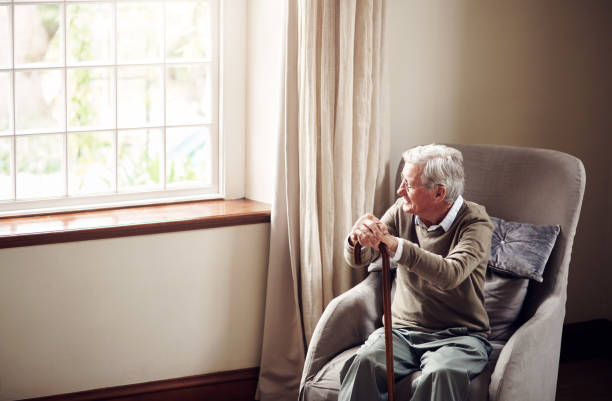
I was still wearing my hospital bracelet when my son told me the bedroom I had slept in for twenty-three years was no longer mine. Every step from the driveway pulled against the staples in my chest, and the hallway smelled of floor cleaner and Cassie’s perfume. Inside my room, her shoes lined the wall, her bottles covered Patricia’s dresser, and my late wife’s wedding photograph had been pushed into a narrow storage room beside a pile of socks. Ryan explained that I would be safer closer to the bathroom, while Cassie folded her arms and told me to be practical. They spoke as though moving me during heart surgery had been an act of care rather than a decision made without consent. I looked at my father’s watch lying on a stack of undershirts and understood that they had not merely taken a room. They had decided weakness had made my entire house available.
My name is Gerald Whitaker, and I bought that home thirty-one years earlier with my wife Patricia, when our son Ryan was two. After Patricia died suddenly from a stroke, Ryan began visiting more often, and eight months later he and Cassie asked to stay while he established a freight brokerage. Six months became two and a half years, during which I continued paying the mortgage, taxes, insurance, utilities, groceries, and most household expenses. Their control arrived gradually: Cassie rearranged the kitchen, bought a dog without asking, moved Patricia’s rocking chair into storage, and placed her recipe box beyond my reach in the name of safety. After my first heart attack, helpful gestures blended with decisions made on my behalf, and I failed to distinguish assistance from possession. By the time of my second surgery, they had become so comfortable managing me that they assumed I would accept being removed from my own bedroom.
Instead of shouting, I sat at the kitchen table and began documenting everything connected to the property: the mortgage, tax records, insurance policy, utilities, furnishings, and the contents of the master bedroom. Then I placed on the table an envelope a hospital social worker had given me after asking whether I felt safe and respected at home. It contained referrals to a senior-services advocate, a housing attorney, and a reporting line for older homeowners experiencing pressure inside their residences. I called the advocate while Ryan and Cassie listened and stated clearly that I was the sole homeowner, that their stay had been temporary, and that they had displaced me without permission while I was hospitalized. Following her instructions, I photographed every moved possession, saved communications, and created a contemporaneous record. Their confidence faded because anger could be dismissed as confusion, but documentation threatened the version of events they expected to control.