My Husband Ordered Me Out After His Mother’s Funeral — Then I Opened the Envelope She Left Behind
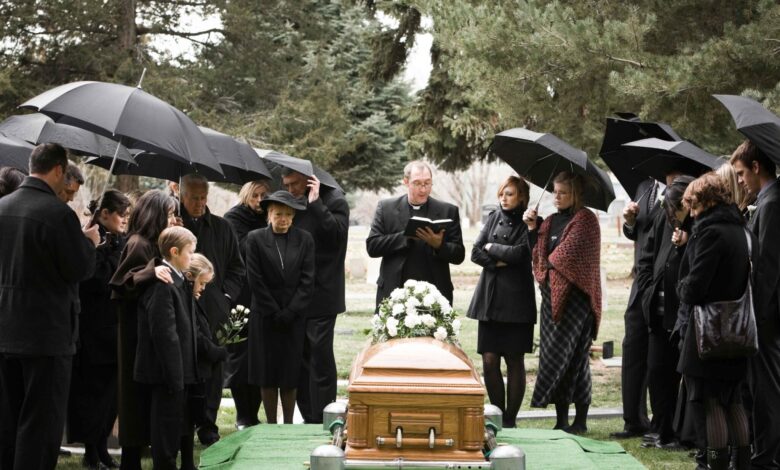
“Mom left everything to me. You have two days to pack,” Ryan said before I had even removed my wet funeral coat. The house still smelled of lavender soap, antiseptic wipes, and the rain-soaked earth clinging to my shoes, but my husband, his sister Lisa, and a lawyer in a gray suit had already arranged themselves in the living room like a tribunal. The man read from a will stating that Ryan inherited the house and savings, while I would receive $5,000 “for my service” after ten years of caring for Margaret through a stroke, cancer, and hospice. Lisa smiled when Ryan called me a caregiver rather than family, and the lawyer quietly mentioned eviction if I failed to leave within forty-eight hours. I packed one bag and walked into the February cold without arguing. Hidden beneath my clothes was a sealed envelope Margaret had pressed into my hand nine days before her death. Three days later, alone in a roadside motel, I finally opened it.
My name is Elena, and caregiving had gradually erased every other part of my life. At thirty-four, I left my office-management career after Margaret’s stroke because Ryan had work obligations and Lisa claimed she could not handle medical care. Temporary help became a decade of medication schedules, hospital appointments, wound care, sleepless nights, and eleven rounds of chemotherapy, while her children appeared mainly for holidays carrying flowers and promises. Ryan praised me for being indispensable but rarely relieved me, and eventually I stopped thinking of the house as somewhere I lived; I was simply the person who was always present. The envelope contained a safe-deposit-box key and a letter explaining that Margaret knew what her children would attempt after her death. She wrote that the will they would show me was false, that the genuine document and a video were protected, and that attorney Mr. Harris had been waiting for me. What she left was not merely an inheritance—it was proof that she had seen the life everyone else had reduced to unpaid service.
Mr. Harris produced Margaret’s properly executed, notarized, and filed final will, which left the house and a substantial portion of her savings to me. A recorded statement showed her declaring herself mentally competent, describing Ryan and Lisa’s absence, and naming me as the only person who had consistently provided her care. She warned explicitly that any competing will would be fraudulent. Her journals documented visits, calls, broken promises, and years of daily assistance, while hospice records repeatedly identified me as the primary caregiver and other relatives as absent. Two nurses supplied signed statements confirming that I alone remained through the final nights. Margaret had converted the invisible years into evidence because she believed I might walk away rather than defend myself. Faced with the genuine will, video testimony, medical records, and conflicting signatures, I understood that Ryan and Lisa had not merely betrayed me—they had attempted to erase Margaret’s lawful final decision.