My Daughter Sold My House Without Asking — She Never Expected Me to Challenge Her Authority
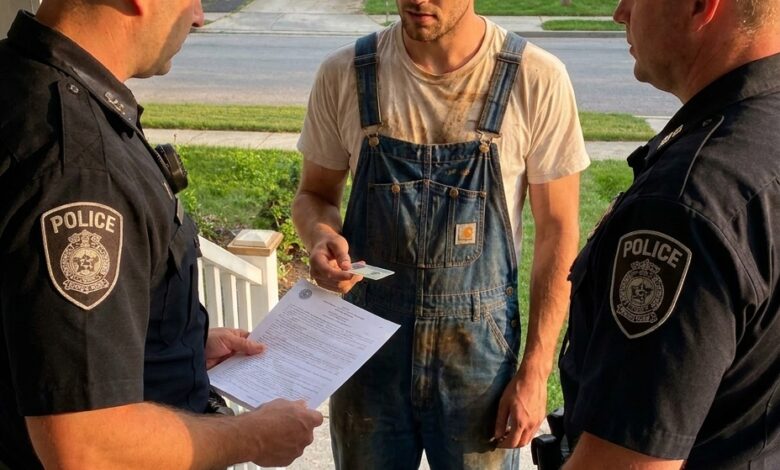
“You already accepted the offer?” I asked, standing in my kitchen with untouched coffee cooling between my hands. My daughter Margaret sat across from me with her leather bag open and her phone ready, explaining that a buyer would take possession of my home in sixty days. She had used an old power of attorney from my hip surgery to sign the purchase agreement because, as she calmly admitted, she knew I would refuse. Around us stood forty-one years of my life: the crooked shelf Robert built, the window where I had watched every spring arrive, and the rooms I had tended alone since his death. Margaret spoke of stairs, heating costs, liability, and independent-living communities as though my home were a failing investment rather than the record of a marriage and a lifetime. She believed she was protecting me from a decision I was no longer qualified to make. In that moment, I realized my daughter had looked directly at me and seen a problem requiring management instead of a person whose answer still mattered.
My name is Dorothy Calloway, and at seventy-three I had lived in that house since Robert and I purchased it in 1983. Four years earlier, while recovering from surgery, I granted Margaret limited authority to pay bills and manage two financial accounts during my incapacity. I never formally revoked the document after recovering, partly because I trusted her and partly because life resumed before I thought to reclaim authority that no longer seemed relevant. Margaret had always managed anxiety through action, a habit formed in childhood when her father’s first hospitalization taught her that staying composed and taking control might keep frightening things from happening. As I aged, she began seeing the roof, winter driveway, stairs, and heating system as threats demanding immediate correction. Her concern was not invented, but she converted concern into authority and decided that my anticipated refusal justified excluding me from the decision entirely.
I retrieved the document from a fireproof box and discovered that its language authorized routine account management only during periods of incapacity. It granted no power over real estate, title transfers, purchase agreements, or the disposition of my home. My attorney, Arthur Pemberton, reviewed the instrument and confirmed that Margaret had acted outside its scope. The buyer, a couple named Hartley, had entered the agreement in good faith after being told that my daughter possessed full authority to sell on behalf of an elderly principal. Arthur filed a formal objection and sought a temporary injunction preventing transfer of title. When Margaret called in disbelief, I reminded her that she had represented to strangers that I had agreed to sell a house I had never agreed to leave. Her intentions might have been protective, but the legal question was simpler: she had exercised authority she did not possess.