After My Father’s Funeral, a Plastic Grocery Bag Revealed the Life My Mother Chose Without Me
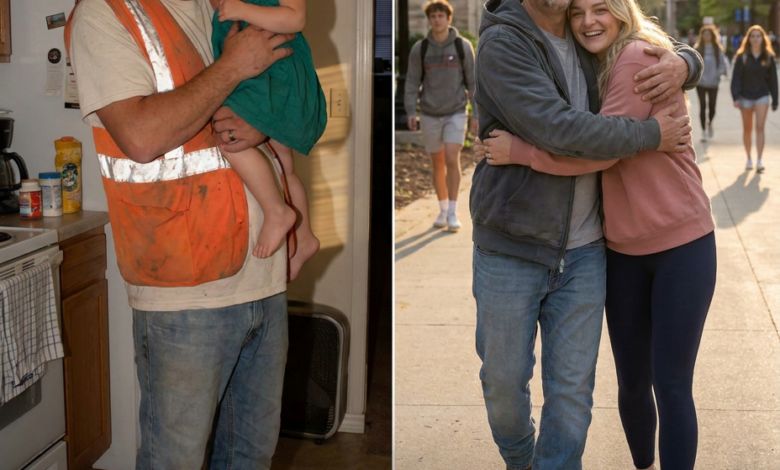
The custody order, payment records, correspondence, and dated calendar established a clear documentary history that neither parent had ever fully disclosed to me. Dad’s final letter admitted that I had the right to know and that he had delayed because he feared losing my forgiveness. I required Mom to correct the false story she had told her husband, children, and friends before I would consider any future relationship. Hannah and I began communicating slowly, without pretending that shared biology could erase years of deception. Mom sent letters, but I left the first ones unanswered because reconciliation was not a legal or emotional entitlement created by confession. I later used part of Dad’s remaining estate to establish an educational fund through a community organization for single parents returning to engineering, construction, and skilled-trade programs. The first recipient was a mother who had left school after her son was born.
I kept one of Mom’s birthday cards, not for the few careful words she had written, but for the date Dad had recorded on the envelope and the fact that he preserved it all those years. I remain angry that he decided what I was strong enough to know, yet I understand the fear beneath his silence. He had watched one parent abandon me and spent the rest of his life making certain I never felt abandoned again. Mom occasionally wrote about love from a distance; Dad demonstrated it in lunches, patched coats, night shifts, and every ordinary day he stayed. The grocery bag did not leave me with a perfect father and a heartless mother. It left me with two flawed choices and the right to decide what they meant. Dad had hidden the letters, but he had never hidden me.