My Family Demanded My Baby’s Medical Fund for a Wedding — Then the Fiancé Opened the Evidence Folder
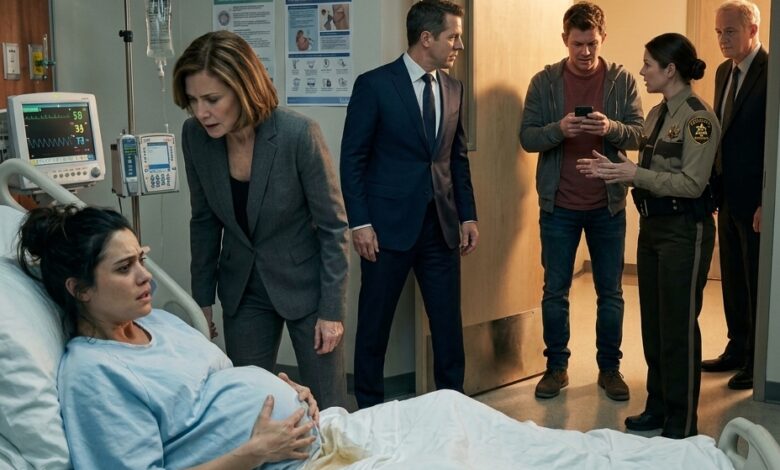
Taylor’s fiancé entered Room 418 carrying a wedding binder while the fetal monitor beside my bed began sounding faster than anyone could speak. I was already in premature labor, one hand pressed against my belly as nurses tried to calm the room. Daniel looked from my frightened face to my parents arguing with hospital security and demanded to hear the recording in which Taylor discussed whether my baby’s treatment was worth the cost. Another contraction tightened across my abdomen, and the monitor showed that Lily’s heartbeat was becoming unstable. My charge nurse called Dr. Morrison, who ordered an immediate transfer for an emergency cesarean delivery. My mother tried to follow the bed, insisting the dispute had been exaggerated, but security stopped her because she had entered a restricted room and refused repeated requests to leave. As the nurses rushed me toward surgery, Daniel said he had discovered that the wedding money had never been mine to provide.
I had saved $25,347 for Lily after doctors diagnosed her with a serious heart condition during my pregnancy. The fund came from extra work, strict budgeting, and the sale of possessions that had belonged to my late husband Jason. My mother, father, and sister Taylor believed the money should instead cover expensive additions to Taylor’s wedding, including imported flowers, upgraded table settings, a larger orchestra, and a second reception room. They described the account as family money even though every dollar had been reserved for medical care, housing expenses, and the uncertain months after Lily’s birth. Taylor sent messages saying hospitals offered payment plans and that her wedding was a once-in-a-lifetime occasion. When I refused to transfer the money, my parents arrived at the hospital demanding that I reconsider while I was already under medical observation. Their pressure turned a frightening medical day into a confrontation that no patient should have been forced to manage.
Lily was delivered early and taken directly to the neonatal intensive care unit, where a cardiac team prepared her for surgery. Several hours later, my brother-in-law Graham showed me what Daniel had found inside Taylor’s wedding binder: contracts, receipts, messages, and a bank-transfer authorization carrying a signature that was supposed to resemble mine. Taylor had told Daniel that I had voluntarily promised money from an inheritance, but he became suspicious when she claimed the hospital was delaying the transfer. Graham then shared a saved voicemail in which Taylor argued that wedding upgrades were more urgent than future medical bills. Daniel came to the hospital, provided the original documents, and confirmed that the venue deposit had already been paid. The additional $25,000 was not required to save the wedding—it was intended to finance luxuries that Taylor had ordered without his approval.