Surprising Final Gift From Older Wife Forces Young Husband To Change
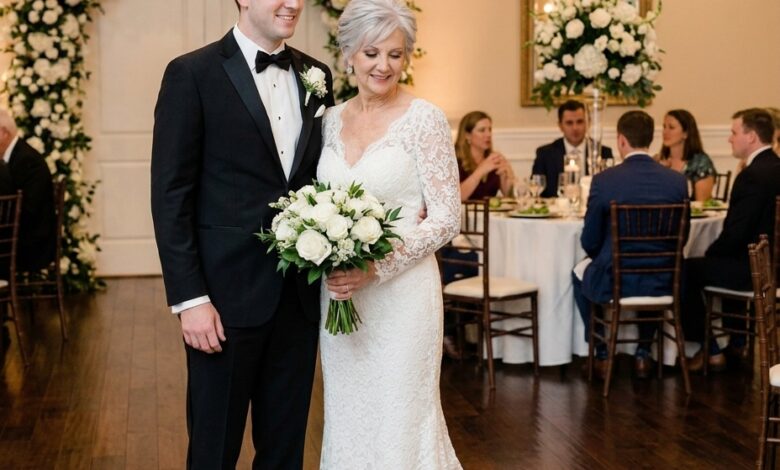
The morning after Florence’s funeral, I sat across from her attorney expecting to hear how much of her estate had been left to me. Mr. Callahan placed a small shoebox on the polished table instead of a will, and the cardboard scraped softly across the wood as he pushed it forward. Inside was a printed copy of the cruel message I had once sent my coworker about waiting to inherit Florence’s money. Beneath it lay receipts for every coat, meal, medical bill, and household item she had purchased for me during our marriage. Florence had added handwritten notes beside many of them, recording the lies I told, the shame I tried to hide, and the moments when she knew I was measuring her kindness against her declining health. The house had gone to her niece Brenda, and nearly all the savings had been directed to charity. My inheritance was the complete record of the man I had allowed desperation to turn me into.
I was twenty-five when I met seventy-one-year-old Florence in Montana, broke enough to sleep inside my truck and tired enough to mistake shelter for salvation. Her heated home, full refrigerator, and quiet generosity seemed like a path out of survival, and I told myself marriage was simply a practical arrangement. Before our courthouse wedding, she required a strict prenuptial agreement protecting her property, investment accounts, and future estate. I signed it because I believed time, affection, or declining health might eventually persuade her to change the documents. During our marriage, Florence bought me decent clothes, helped me replace worn boots, and left small gifts around the house while I secretly watched her medication bottles and calculated what her worsening condition might mean. She never accused me directly, though sometimes she looked at me with a sadness that suggested she already understood the bargain I had made in my own mind.
Florence died after collapsing in the kitchen while preparing breakfast, leaving me with grief tangled around fear about what the attorney would reveal. At the meeting, Mr. Callahan handed me her final letter, which offered no money and no comfortable escape. She wrote that poverty had frightened me, but fear did not excuse using another person’s affection as financial insurance. Then she gave me a choice: I could leave town quietly with the protection provided by the prenuptial agreement, or attend her memorial luncheon and tell her family, friends, and charity board the truth about why I married her. Florence had created a fund from her estate to help people facing homelessness, but she refused to let my name appear anywhere near it unless I first admitted what I had done. I left the attorney’s office carrying the shoebox, knowing the only thing she had truly placed in my hands was a decision about who I would become next.