My Granddaughter Refused the Tooth Fairy — She’s Been Saving Her Baby Teeth “For When Daddy Cries About the Bills”
Monday morning moved fast, because shame is slow but grandmothers are not. I called the elder-law attorney who did my will — not for me, for the referral — and by Wednesday Erin and Kevin were sitting with a consumer-credit attorney and a HUD-approved housing counselor, which I now know is a free service that too many drowning families learn about one week too late. The machinery, plainly: the mortgage servicer, contacted BEFORE the deadline with an attorney letter and a full hardship file, agreed to a loan modification review and a forbearance that stopped the foreclosure clock; the $15,000 personal loan went into a structured settlement at a fraction of its bloated interest; the lapsed life insurance — Kevin had quietly stopped paying that too, which is its own cold shock when you find it — was reinstated on a plan; and the betting accounts were closed with self-exclusion filings, which are binding, statewide, and blessedly humiliating to reverse. The attorney also said the sentence that reorganized my daughter’s spine: “None of this works unless the gambling is treated like the illness it is — the finances are the symptom.” Kevin sits in a folding chair in a church basement every Tuesday and Thursday now, and the first time he came home with a 90-day chip, he didn’t show Erin. He showed Maisie. He put it in her hand and said, “This is Daddy’s tooth-fairy money. I earned it not doing the thing that made me sad in the garage.” I was there. I saw a six-year-old inspect that chip like a jeweler, nod once, and say, “Good job. It’s not worth a real dollar though.” Even redemption gets audited in this family now.
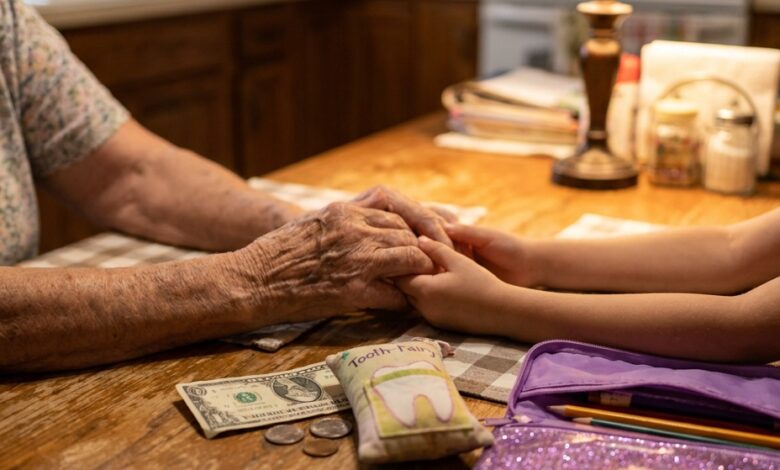
The teeth had their ceremony in June. All five, plus the new one — Maisie agreed, after a formal negotiation conducted entirely in whispers, to sell her collection to the fairy in a single transaction, and the fairy, flush that week, paid a premium: six teeth, ten dollars, plus a handwritten certificate declaring the account CLOSED, PAID IN FULL, NO FURTHER DEPOSITS REQUIRED, because this fairy has retained the family attorney’s turn of phrase. Maisie spent four dollars on a stuffed axolotl and — Erin sent me the photo, I have it printed — put six in her piggy bank “for regular saving, not emergency saving, there’s a difference, Grandma.” There is a difference. That difference is the whole story. The house is theirs; the modification finalized in the fall, and Kevin’s chips go in a jar on the windowsill that nobody explains to visitors. Here’s what I want to leave with every grandparent scrolling past this with their coffee: children always know. They cannot name the number, but they can weigh it — in overheard garages, in canceled trips, in the pause before a parent says “sure, honey.” And a child who knows will not sit with it; a child who knows will quietly liquidate her own mouth before she’ll watch her daddy cry again. So when a little one shows you a strange collection, a hidden system, a game with rules that sound like survival — don’t laugh, don’t correct it, and don’t you dare call it cute. Pull up a chair. Ask what the system is for. Somewhere behind it there is a garage, and a number, and a grown-up who needs you to already know.