My Mother-in-Law Expected Another Free Fourth of July BBQ — So I Served Her a Different Kind of Lesson
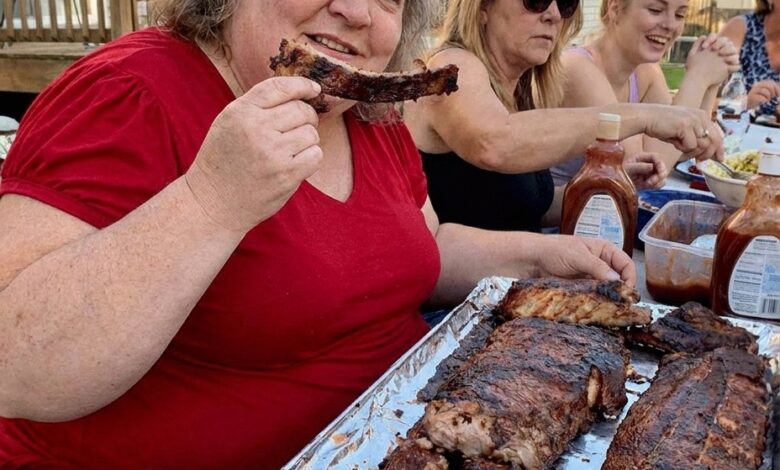
Annie watched three cars pull into her driveway on the Fourth of July, each one carrying people who had once again brought absolutely nothing. Juliette stepped out first, wearing her oversized sun hat and the satisfied smile of a woman arriving at a resort she did not pay for. Behind her came Sarah and Kate, balancing designer purses instead of side dishes, while six children scattered across the lawn shouting for hot dogs before anyone had even said hello. The picnic table looked beautiful, set with cloth napkins, wildflowers in mason jars, and lemonade catching the afternoon light. Bryan stood near the kitchen door, quiet but watchful, already sensing that his wife’s smile was a little too calm. Juliette swept onto the patio and announced that everyone was starving. Annie nodded, disappeared into the kitchen, and returned with a silver tray of cucumber sandwiches and a pot of lukewarm tea.
For seven years, Annie had tried to be a gracious host and a patient daughter-in-law. She and Bryan had built a peaceful country home with two children, a tidy kitchen, a wide backyard, and roses Annie had spent years nursing into bloom. But every family gathering slowly became the same performance: Juliette arrived with opinions, Sarah and Kate settled in like guests at an inn, and the grandchildren treated the house like a playground while Annie bought, cooked, served, cleaned, and absorbed the cost. Memorial Day alone had drained more than $200 in groceries, not counting the hours Annie spent seasoning ribs, making potato salad, scrubbing counters, and picking popsicle sticks out of the flower beds after everyone left. Juliette rearranged furniture, criticized the meat, commented on the roses, and never once asked what she could bring. Bryan always promised he would speak to his mother, but guilt kept delaying the conversation, and Annie’s grocery budget kept paying for the silence.
The turning point came when Juliette called the morning after Memorial Day to announce, not ask, that the entire clan would be coming back for the whole Fourth of July weekend. She listed the foods Annie should buy — ribs, little sausages, potato salad, snacks for the children — as if placing an order with a caterer. Annie felt something inside her settle into place. She did not argue, complain, or remind Juliette that guests usually contribute. Instead, she set the table like a magazine spread and prepared the smallest, politest meal possible. When Juliette asked where the barbecue was, Annie explained that since everyone loved the cookouts so much, she assumed they would bring the meat this time. The butcher was fifteen minutes away, the grill was ready, the charcoal was waiting, and for once the people who came hungry would have to decide whether they wanted to help or leave.