My Daughter’s Simple Kindness Brought Police to Our Door — Then I Learned Why
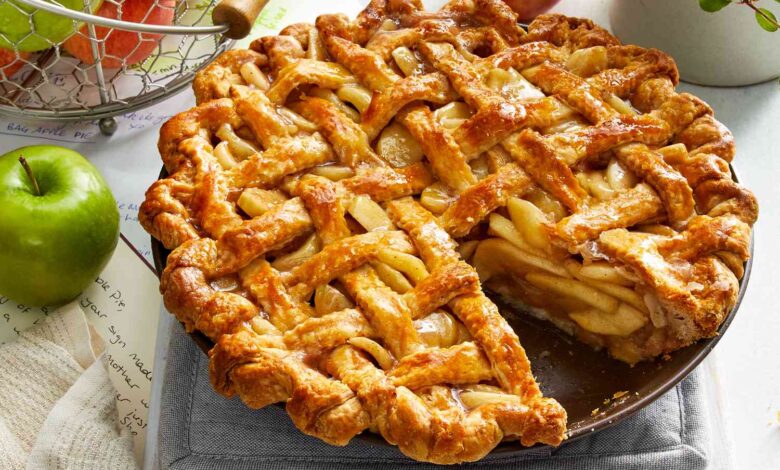
Rowan woke to pounding on her apartment door before the sun had even cleared the windows. The smell of cinnamon still hung in the kitchen, mixing with cold coffee, flour dust, and the faint sweetness of apple pie. Lila sat up on the couch in the half-dark, her hair messy from sleep and her face instantly frightened. Rowan pulled back the curtain and saw two uniformed police officers standing in the hallway, their radios clipped to their shoulders and their expressions unreadable. Her mind sprinted toward every terrible possibility: a nursing home resident had gotten sick, someone had choked, someone had decided her daughter’s kindness was suspicious. Lila gripped the back of her shirt and whispered, “Mom, what’s happening?” When Rowan opened the door, the female officer looked straight at her and said, “Ma’am, we need to talk about what your daughter did yesterday.”
Lila was fourteen, and she had been Rowan’s whole life since Rowan became a mother at eighteen. Rowan’s own parents had money, manners, and a cruel devotion to appearances, and when she got pregnant, they treated the baby as an embarrassment instead of family. Her father called Lila a consequence, and that was the last night Rowan slept under their roof. What followed was years of cheap apartments, diner shifts, office cleaning, thrift-store coats, and babysitters she could barely afford. Somehow, through all of that, Lila grew softer instead of harder. She noticed hungry neighbors, lonely elders, shelter animals, and quiet people who said they were fine when they were not. So when a resident at the local nursing home mentioned she had not tasted homemade dessert in years, Lila came home and announced she wanted to bake forty pies.
By Saturday morning, Rowan’s apartment looked like a bakery had exploded. Apples rolled across the counter, dough stuck to the floor, and flour somehow ended up on Lila’s nose, hair, and forehead. By the thirty-second pie, the air was so warm with butter, cinnamon, and brown sugar that the apartment felt less like a kitchen and more like a childhood memory. At the nursing home, the mood shifted the moment the scent reached the common room. Residents who had been watching television without really seeing it turned their heads, and a man in a navy cardigan named Arthur stood slowly and asked if that was apple pie. Lila served each slice with both hands, kneeling beside chairs, asking names, remembering stories, and listening as if every word mattered. Arthur took one bite, closed his eyes, and said he had not tasted pie like that since his wife Martha died — and the next morning, the police were at Rowan’s door.