My Son Tried to Put Me in Assisted Living to “Sell My House” — Then My Attorney Showed Him My $4.2 Million Portfolio
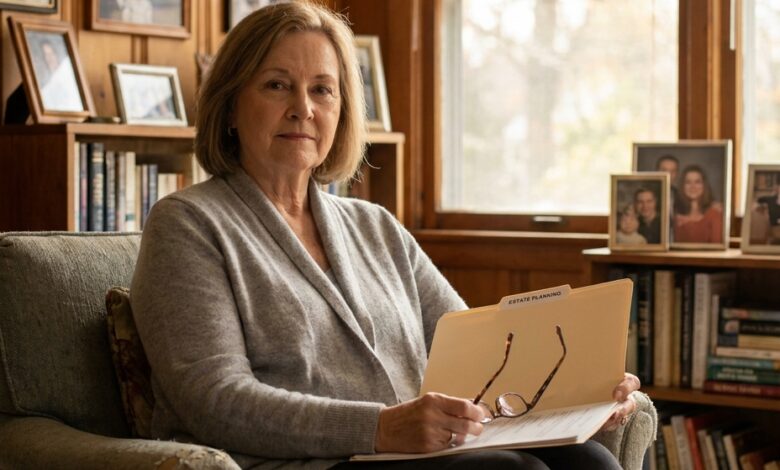
Daniel asked why I had never told him, and I said the truth: because he never asked if I needed help — he decided I did and made plans for my life without checking whether I wanted them. Brynn tried to explain they were “just trying to help,” but helping would have been asking what I needed, not deciding what I couldn’t manage and arriving with glossy brochures for a life I never agreed to. Maureen closed the folder and said something Daniel needed to hear from someone other than me: “Quiet does not mean incapable, and frugality does not mean poverty.” She left, and Daniel sat at the table holding the portfolio summary like it was evidence in a case he’d lost before realizing there was a trial. Over the following weeks, the assisted living brochures disappeared, and Daniel’s visits became different — less about solving problems I didn’t have and more about asking questions he should have asked years earlier. He wanted to know how Tom and I had built the portfolio, what I did with my days, whether I was lonely or just comfortable with quiet. The answers weren’t complicated. I managed my investments through Maureen and a financial advisor Tom had trusted. I volunteered at the library. I gardened. I read. I lived exactly the way I wanted to live, in the house Tom built, on terms I had chosen.
Daniel apologized more than once, and I accepted it because apologies are easier to give than assumptions are to unlearn. Brynn stopped suggesting I downsize, though I suspect she still wishes I lived somewhere that required less explanation to her friends. The house remains mine, the portfolio continues to grow, and the stairs I climb every day feel no different than they did when I was forty. Maureen updated my estate documents to ensure Daniel understands clearly what I own, how it’s structured, and what decisions he will be allowed to make only after I’m gone — which will not be soon, because despite what glossy brochures suggest, aging does not require permission, intervention, or a room with scheduled activities. Last month, Daniel brought his daughter Emma to visit, and she asked why I still lived in such an old house. I told her the truth: because your great-grandfather built the deck, because I planted the roses, because I choose to, and because no one gets to decide where I belong except me. Emma nodded like that made perfect sense, and I thought about how much easier life would be if adults asked questions the way children do — directly, without assuming they already know the answer.